Window Display Screens for Retail: Attract Customers from the Street
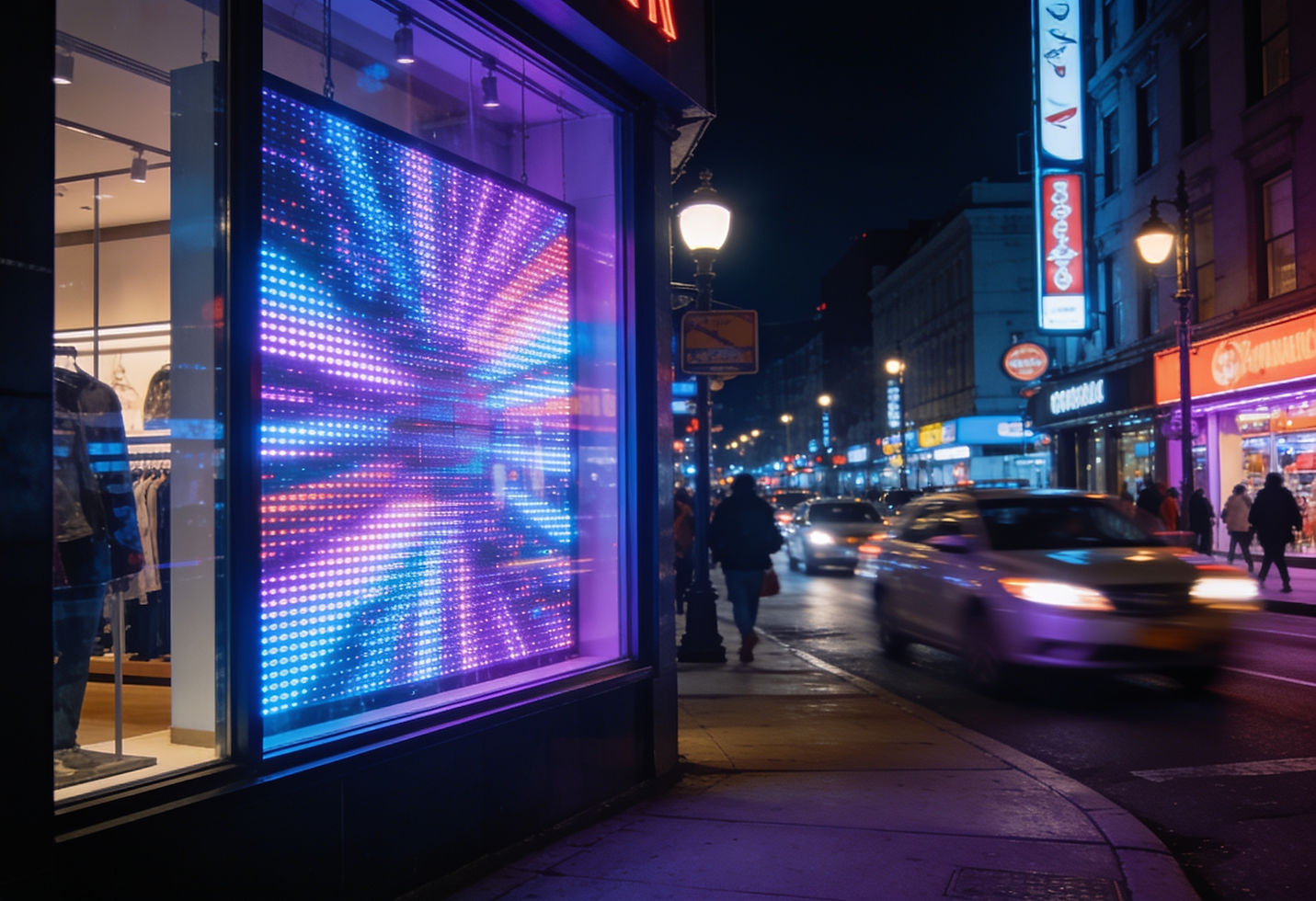
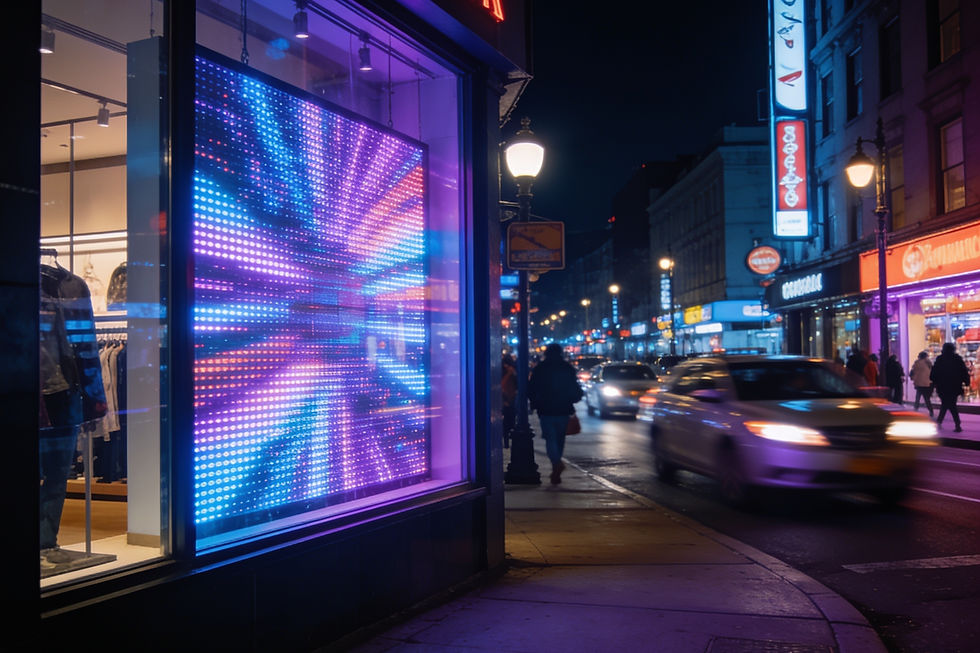
A shop window has always been a retailer's first and most valuable piece of marketing real estate — the one piece of advertising every single passer-by sees, whether or not they ever set foot inside. Digital window display screens extend that further, working around the clock, changeable in seconds, and visible even after the shop has closed for the day.
Why Digital Window Displays Outperform Static Dressing
They keep working after closing time, when static window dressing simply sits idle overnight and on days the store isn't trading.
Content can be swapped for events, weather, seasonal changes or time of day without touching a physical display or paying for new printed materials.
Motion naturally draws the eye of passers-by more effectively than a fixed image, particularly at a glance from across a street or while walking past.
The Economics of Constant Content Change
Physical window dressing has real recurring costs — materials, design time, installation labour — every time it changes. A digital window display screen absorbs that cost into the initial hardware and a CMS subscription, making frequent content changes essentially free at the margin once the system is in place.
After-Hours Value That's Easy to Overlook
A shop trading 10 hours a day still has 14 hours where a static window simply exists unchanged. A digital screen can run dedicated after-hours content — broader brand messaging, opening hours, a teaser for an upcoming launch — that a physical display can't easily be dedicated to without losing daytime promotional space.
Brightness Is Non-Negotiable for Window-Facing Screens
A window screen fighting direct daylight from outside the glass needs considerably higher brightness than an indoor display, or the content simply won't be legible from the pavement during the exact daylight hours when foot traffic is highest.

Understanding Nit Ratings for Window Applications
Nit ratings measure display brightness, and window-facing applications typically need considerably higher ratings than indoor signage to remain visible against direct outdoor light hitting the glass from outside.
Glare and Reflection Considerations
Beyond raw brightness, glass itself creates reflection that can undermine legibility regardless of screen brightness. Anti-glare treatment or careful screen angling relative to typical viewing positions on the pavement both meaningfully affect real-world visibility.

Designing for a Few Seconds of Attention
Most passers-by see a window screen for a couple of seconds at most while walking past. One clear message, in large type, consistently beats a detailed multi-product layout that requires someone to stop and study it — something very few passers-by will actually do.
The One-Message Rule
Successful window screens tend to commit to a single clear message per rotation — one product, one offer, one piece of information — rather than trying to communicate everything the store offers in one glance.
Sequencing Multiple Messages Over Time
Rather than cramming several messages onto one screen simultaneously, rotating through single-message content over a longer cycle allows more ground to be covered without sacrificing the clarity each individual message needs.
Content Ideas That Work Well in Window Displays
A single hero product with clear pricing, refreshed weekly or tied to stock priorities.
Seasonal or event-based messaging timed to local footfall patterns, such as evenings or weekends.
Simple brand or opening-hours content specifically for after-hours viewing.
Managing Window Content Without a Design Team
A content platform like CleverPosters lets a retailer schedule window content weeks in advance, including deliberately different daytime and after-hours content, without needing a designer involved every time the message needs to change.
Frequently Asked Questions
What brightness do I need for a window-facing digital display?
Window displays generally need high-brightness commercial panels, since they compete with outdoor daylight through the glass rather than the more controlled lighting conditions of an indoor display.
Can a window display run different content after the shop closes?
Yes — many retailers schedule dedicated after-hours content, such as broader brand messaging or opening hours, distinct from the promotional content shown during trading hours.
Does window signage need to be interactive?
No — most effective window displays are simple, single-message screens; interactivity adds complexity and cost that's rarely practical to deliver through glass to passers-by.
How many messages should a window screen show at once?
Generally just one — a single clear message per rotation performs better with passers-by who typically only glance at a window screen for a couple of seconds while walking past.
Does glass affect how visible a digital window display is?
Yes — beyond raw screen brightness, glass introduces reflection and glare that can undermine legibility, making anti-glare treatment and careful screen angling genuinely important considerations.
How often should window display content change?
A weekly refresh for the main promotional message is common, while after-hours or brand-level content can change less frequently since it isn't tied to specific stock or offers.
Is a digital window display worth it for a small independent shop?
Yes — even a single-location shop benefits from the ability to change window content instantly and run different messaging after hours, without the recurring cost of physical window dressing changes.
Comments